

-
Installation of conveyors is an integral part in the launch of mining and processing industries, as well as many others.
Plate conveyor – a transporting device with a load-bearing cloth of steel plates attached to the chain traction organ.
Laminate conveyors are designed to move in a horizontal plane or with a slight inclination (up to 35 °) heavy (500 kg or more) piece cargo, large-piece, including sharp materials, as well as cargoes heated to a high temperature.
Laminate conveyors, stationary or mobile, have the same basic nodes as tape. There are plate conveyors of general purpose (main type) and special. The latter include conveyors with a spatial track, metal bottling machines, passenger escalators, etc.
The main component of the plate conveyor is a metal, less often wooden, plastic flooring, which serves as a traction and load-bearing organ. It consists of separate plates attached to one or two traction chains (roller chains), forming a single organ with chains. The flooring can be flat, wavy or boxed, without sides or with sides. Traction chains circle the drive and tension stars installed at the ends of the frame.
Plates are made of steel 4-5 mm thick. For rigidity, they are performed with special zigzag ribs.
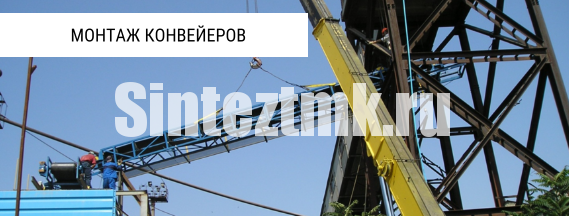
Installation of plate conveyors
Machines of enterprises of non-metallic building materials operate in unfavorable conditions. Processed materials are characterized by abrasiveness, and the air in the shops of these enterprises is largely saturated with dust.
Very often, machines are operated in conditions of high humidity and precipitation outside covered rooms, and in winter – in low temperatures.
This specificity of the machines complicates the operation and increases the requirements for the quality of machines and their installation.
Analysis of the causes of unsatisfactory operation and downtime of machines shows that a significant part of the problems is the result of defects made during installation and installation.
With insufficiently thorough or inept installation, unsatisfactory adjustment, well-designed and manufactured machines work poorly and often fail. The poor quality of installation work can be the cause of shocks and jerks when machines work, causing a decrease in working speeds, increased wear and frequent repairs.
The quality and timing of installation work are predetermined by some organizational measures, as well as the preparation of relevant documentation.
The installation process is divided into preparatory and actual installation periods.
Preparatory work is related to the preparation for the installation of the machine and includes the following:
- Shipment of machines to be installed, their unloading on the installation site, inspection and verification of the completeness of components and parts, as well as partial fitting;
- Complete completion of the units before installation;
- Assembly of individual nodes in enlarged nodes allowed by weight, dimensions for this rigging;
- Acceptance of construction works - foundations, rail tracks;
- Delivery of lifting vehicles.
Production of installation works includes the following:
- Installation and placement on the installation site of rigging equipment;
- Carrying out rigging work related to lifting, moving, installing and fastening the machine;
- Final adjustment of machines after installation or installation;
- Testing of machine units as a whole without load and under load.
The company “Sintez TMK” produces dismantling, rigging and installation of the following types of conveyors:
- conveyor belts
- Cable-ribbon conveyors
- Chain conveyors
- Ropeline conveyors
- Screw conveyors
- rod conveyors
- Vibrational conveyors
- Swinging conveyors
- Stepping conveyors
- Roller conveyors
- Transport pipes
Our specialists have extensive experience in the implementation of this type of work.

Maintenance of conveyors
Maintenance of conveyors includes:
- Inspection of all elements of the conveyor;
- Checking the correctness of their work;
- Adjustment of mechanisms;
- Repair of machinery and parts.
When inspecting the conveyor, check the presence of damage to the tape, the quality of its cleaning, adjacent to the rollers, the correctness of the course, unloading and loading, the absence of a seal, excessive sagging between the roller supports and the danger of slipping.
Poor cleaning of the tape accelerates its wear, so cleaning devices must be carefully adjusted. Minor repairs of the tape are performed on site, and in case of large damages at a long length, the tape or its individual sections are replaced.
Stretch devices during maintenance inspect and eliminate malfunctions.
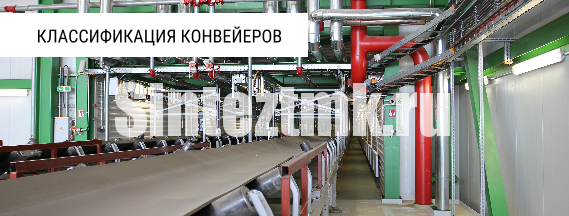
Classification of conveyors